


Buy Freshly Roasted Coffee Beans Online: 6 Best Picks
Table of Contents
- Why Freshness Decides Everything When You Buy Freshly Roasted Coffee Beans Online
- Our 6 Best Picks for Freshly Roasted Coffee Beans
- Coffee Roasted to Order: What to Expect from Shamballa Caffe
- How Long Do Coffee Beans Stay Fresh? A Practical Timeline
- Best Coffee Beans for Home Brewing: Match Your Brew Method
- Fresh Coffee Bean Subscription: Is It Right for You?
- Storing Freshly Roasted Coffee Beans After Delivery
- Frequently Asked Questions
Last Updated: October 21, 2026
Why Freshness Decides Everything When You Buy Freshly Roasted Coffee Beans Online
When you buy freshly roasted coffee beans online, the roast date on the bag matters more than the origin printed above it.
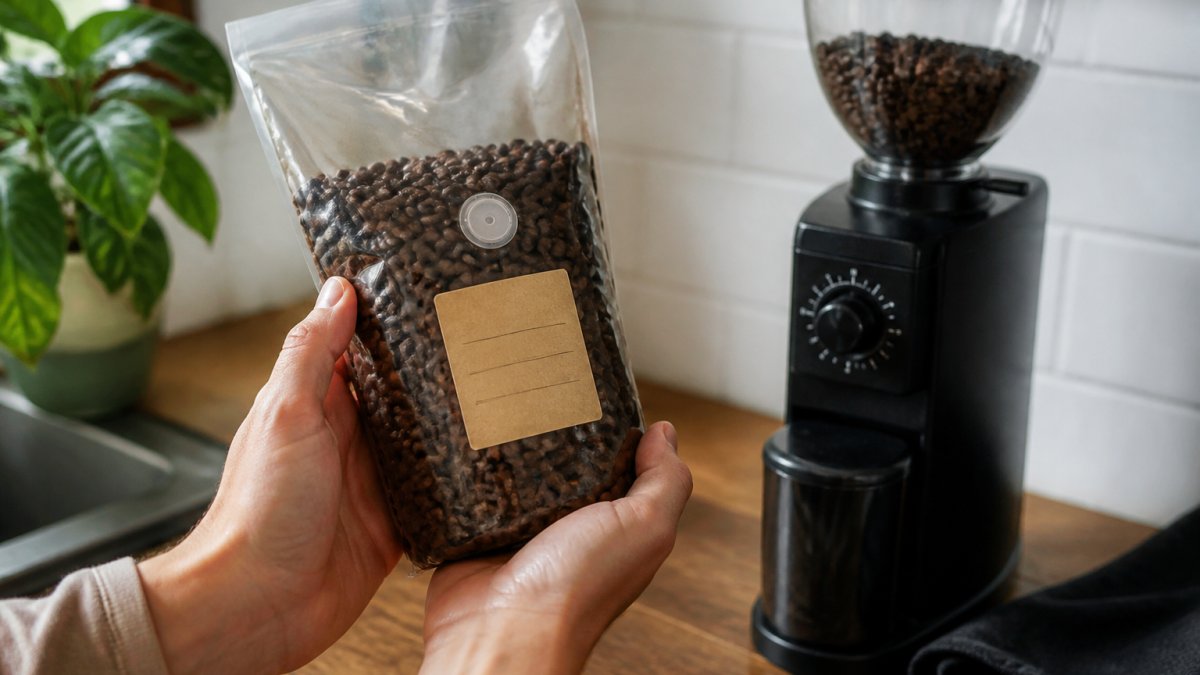
What Fresh Coffee Actually Means (and How to Verify It)
Fresh coffee is whole-bean coffee brewed within roughly two to four weeks of its roast date, stored sealed and away from light, heat, and air. Verification comes down to two things: a printed roast date, not a best-by date, and a roaster willing to ship soon after roasting. Specialty Coffee Association guidance on coffee freshness treats roast date as the industry benchmark for judging quality.
The Roast Date Is the Only Label That Matters
A "best by" stamp tells you when a bag expires, not when it was roasted. Ask for the roast date, and treat anything without one as a guess. Small-batch roasters typically print it because their whole pitch rests on freshness. If a retailer cannot answer "when was this roasted?" in a sentence, shop elsewhere.
Our 6 Best Picks for Freshly Roasted Coffee Beans
Every bean below comes from our own roast-to-order lineup, priced per 12-ounce bag. We list tasting notes, roast level, and who each one suits so you can match a bag to your grinder and your mornings.
| Coffee | Roast Level | Tasting Notes | Price (12 oz) | Price per oz | Roast-to-Ship | Best For |
|---|---|---|---|---|---|---|
| Uganda | Light-medium | Floral, chocolate, dark fruits | $22.99 | $1.92 | Ships within 1 business day of roast | Pour-over, drip |
| Kenya | Light | Citrus, orange, floral perfume | $24.99 | $2.08 | Ships within 1 business day of roast | Pour-over, cold brew |
| Sumatra | Medium-dark | Dark chocolate, dried fruit, earth | $24.99 | $2.08 | Ships within 1 business day of roast | French press, espresso |
| Peru | Medium | Salted caramel, sweet citrus | $24.99 | $2.08 | Ships within 1 business day of roast | Drip, espresso |
| Ethiopia Natural | Medium-light | Milk chocolate, ripe fruit, caramel | $24.99 | $2.08 | Ships within 1 business day of roast | Pour-over, AeroPress |
| House Blend | Medium | Nutty, sweet chocolate, mild citrus | $24.99 | $2.08 | Ships within 1 business day of roast | Everyday drip, espresso |
Price per ounce is the only fair way to compare a 12-ounce bag against the 10-ounce and 16-ounce bags other roasters sell. At $1.92 to $2.08 per ounce, these bags offer excellent value.

Uganda: Floral and Chocolatey Single Origin
Grown on the Sipi Highlands at 1,500 to 2,500 meters and fully washed, this single-origin coffee leads with delicate florals before settling into chocolate and dark fruit. Mild acidity and a light body make it forgiving in a drip brewer and rewarding in a pour-over. At $22.99 it is our lowest-priced bag and an excellent entry point, $1.92 per ounce.
Kenya: Bright Citrus and Floral Perfume
High-grown lots from Othaya in Nyeri, washed and sun-dried, produce the liveliest cup in the lineup: orange and lemon acidity wrapped in floral perfume. This is not a coffee for people who want smooth and quiet. It rewards a finer grind and a slower pour-over, and it holds up beautifully as cold brew. At $2.08 per ounce it is priced like the rest of the single origins.
Sumatra: Deep, Syrupy, and Earthy
Wet-hulled in the Takengon highlands, Sumatra delivers a syrupy body where dark chocolate folds into dried fruit and earth. Medium acidity keeps it from turning heavy. If you drink French press or pull espresso shots and want weight over brightness, start here.
Peru: Salted Caramel and Silky Sweetness
A medium roast from Piura, grown at 1,100 to 1,700 meters, with salted caramel and silky sweetness brightened by sweet citrus. It is the most crowd-pleasing single origin we roast: sweet enough for milk drinkers, clean enough for black coffee drinkers. At $2.08 per ounce it is a great bag to split between two drinkers with different preferences.
Ethiopia Natural: Fruity and Caramel Complexity
Naturally processed beans from the Sidama Zone, dried on raised beds, bring milk chocolate, ripe fruit, and caramel in a medium-light roast. Natural processing gives this bag its fruity intensity. Grind coarse for AeroPress or medium for pour-over and keep water just off the boil.
House Blend: Smooth and Consistent Medium Roast
Our medium roast blend of Central and South American coffees stays smooth, clean, and consistent bag after bag, with nutty, sweet chocolate, mild citrus, and a bright finish. If you want the same cup every morning without thinking about it, this is the bag.
Coffee Roasted to Order: What to Expect from Shamballa Caffe
Coffee roasted to order means your beans are roasted after you place the order, not pulled from a warehouse shelf. We roast in small batches and ship fast, so the bag that reaches your door carries a recent roast date rather than a months-old one. That is why ordering online can beat a grocery shelf, where bags may sit for weeks.
How Long Do Coffee Beans Stay Fresh? A Practical Timeline
Whole-bean coffee stays at its best for about two to four weeks after the roast date, then declines gradually for another month or so. Ground coffee moves much faster, measured in days rather than weeks. The timeline below is a practical guide, not a hard rule.
- Days 1-3 after roast: Resting period. Beans release carbon dioxide; espresso can taste flat or gassy.
- Days 4-14: Peak window. Aroma and flavor are at their fullest.
- Days 15-28: Still very good. Slight fading of the brightest aromatics.
- Days 29-45: Drinkable but muted. Fine for milk drinks, less exciting black.
- Beyond 45 days: Stale. Use it up, but do not expect the same cup.
Best Coffee Beans for Home Brewing: Match Your Brew Method
The best coffee beans for home brewing are the ones matched to your equipment. Grind size, water temperature, and contact time all interact with roast level.
- Drip machine: House Blend or Peru. Medium roasts tolerate the machine's fixed temperature and timing.
- Pour-over: Uganda, Kenya, or Ethiopia Natural. Light roasts reward careful pouring and highlight acidity.
- French press: Sumatra. The full-immersion brew suits a heavy, low-acid body.
- Espresso: Sumatra, Peru, or House Blend. Medium to medium-dark roasts pull sweeter, more stable shots.
- Cold brew: Kenya or House Blend. Bright acidity and chocolate both concentrate well over long steeps.
Fresh Coffee Bean Subscription: Is It Right for You?
A fresh coffee bean subscription works best for anyone drinking a bag every two to four weeks, because recurring delivery keeps pace with the freshness window. Buying several bags at once to save on shipping defeats the purpose: the last bag is a month old before you open it. Whether a subscription saves money or just adds convenience depends on several variables, your consumption rate and the delivery interval.

Do the Consumption Math First
Start with how many ounces of whole bean coffee you brew in a week. A common pattern is roughly 0.5 to 0.7 ounces of beans per 8-ounce cup, so a two-cup-a-day drinker uses about 7 to 10 ounces a week, or 28 to 40 ounces a month. A single 12-ounce bag lasts that drinker one to two weeks, and a subscription delivering one bag every two weeks keeps it inside the four-week peak window.
Match the Interval to Transit Time, Not Just to the Calendar
The freshness clock starts at the roast date, not the delivery date. If transit takes a few days, the bag arrives still in the resting-to-peak window. When you set a subscription interval, count from arrival, not order date, and leave a buffer so a late shipment does not leave you brewing stale beans.
The Real Trade-Offs
- Convenience vs. cost: Subscriptions usually trade a small per-bag discount for a recurring charge. Compare the subscription price per ounce against the one-time price per ounce before you commit; a discount that only applies to a larger bag size can cost more per ounce than buying a smaller bag on demand.
- Variety vs. consistency: Rotating subscriptions expose you to new origins but reset your dial-in every delivery. If you have finally dialed in a grind for one bean, a fixed subscription of the same blend is easier to live with.
- Shipping thresholds: Many roasters waive shipping above a set order total. If your subscription bag falls below that threshold, the shipping charge can erase the subscription discount, check whether the recurring order qualifies.
- Pause and skip flexibility: A subscription you cannot pause is a subscription that ships coffee you will not finish. Confirm you can skip a delivery before you sign up.
Subscriptions suit households that brew daily and want variety without reordering. They suit solo drinkers less well unless the cadence is stretched, since a single bag can outlast its peak. Match your delivery interval to actual consumption and realistic transit time, not to a discount tier.
Storing Freshly Roasted Coffee Beans After Delivery
Store beans in an airtight container in a cool dark cabinet. Keep them away from the fridge and freezer for daily use. Buy bag sizes you will finish within a month.
Frequently Asked Questions
How can you tell if coffee beans are freshly roasted?
Check the roast date printed on the bag, not just a best-by date. Freshly roasted coffee beans are typically best used within two to four weeks of roasting. Look for a roaster that states the roast date clearly and ships soon after roasting. Whole-bean coffee also releases aromatic oils and carbon dioxide after roasting, so a bag with a one-way valve and a recent roast date is a strong sign of freshness.
How long do freshly roasted coffee beans stay fresh?
Whole-bean coffee is generally at its peak flavor for about two to four weeks after the roast date, though it can stay drinkable for several weeks longer if stored properly. Keep beans in an airtight container away from light, heat, and moisture. For longer storage, freeze the beans in a sealed bag and grind them straight from frozen. Pre-ground coffee loses aroma much faster, often within days.
Should you buy whole-bean or pre-ground coffee online?
Buy whole-bean coffee if you have a grinder, because grinding just before brewing preserves the aromatic oils and gives you a fresher cup. Pre-ground coffee is convenient but starts losing flavor quickly after grinding. If you order online, whole-bean coffee also travels better and lets you match the grind size to your brew method, whether that is espresso, pour-over, or French press.
What should you look for when choosing an online coffee roaster?
Look for a clear roast date, whole-bean options, and shipping that gets beans to you quickly. Check whether the roaster offers single-origin coffees and blends with tasting notes that match your preferences. At Shamballa Caffe, single-origin bags are priced from $22.99 to $24.99, and the House Blend and 6 Bean Blend are $24.99.
How do you store freshly roasted coffee beans after delivery?
Transfer beans to an airtight container and keep it in a cool, dark cabinet away from the stove and direct sunlight. Avoid the refrigerator, which exposes beans to moisture and odors. Grind right before brewing to keep the aroma and flavor intact.
The gap between ordinary coffee and a genuinely good morning ritual usually comes down to one variable: how recently the beans were roasted. Shamballa Caffe roasts in small batches, ships fast, and prints the roast date so you can verify freshness yourself. Explore the single origins and blends above, or start with the House Blend if you want a smooth, consistent medium roast, and let each bag arrive close to its peak.