


Signs of Stale Coffee Beans: A Freshness Guide
Table of Contents
- How to Recognize Stale Coffee Beans: Visual and Sensory Clues
- What Do Stale Coffee Beans Taste Like
- How Long Do Coffee Beans Last After Roasting
- How to Tell If Coffee Beans Are Stale: A Freshness Test
- How to Store Coffee Beans to Prevent Staleness
- Stale Versus Spoiled: Understanding the Difference
- How to Use Stale Beans Instead of Discarding Them
- Frequently Asked Questions
Last Updated: October 19, 2026
How to Recognize Stale Coffee Beans: Visual and Sensory Clues
Stale coffee beans lose their vibrant character over time, and spotting the signs early helps you avoid a disappointing brew. At Shamballa Caffe, we understand that freshness defines the entire coffee experience, from the moment you open the bag to that first sip. The good news is that recognizing stale beans doesn't require expertise. A few simple visual and sensory checks reveal whether your coffee has passed its prime.
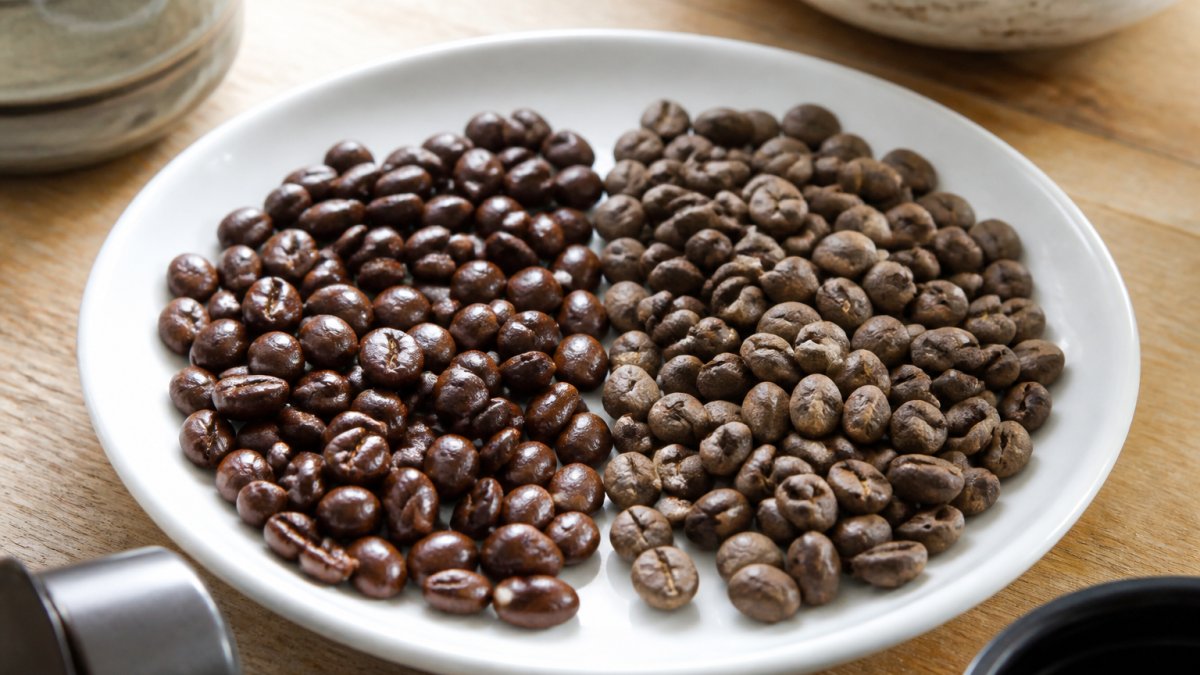
Appearance and Color Changes
Fresh coffee beans have a rich, dark sheen and uniform color. As they age, they become duller and lose that polished look. The surface may appear flat or chalky instead of glossy.
Stale beans often develop an ashy or faded appearance. They look tired compared to freshly roasted coffee. This color shift happens because the oils and compounds that give fresh beans their luster break down over time through oxidation.
You can also notice the beans shrink slightly as they age. Fresh beans feel plump and full. Older beans feel lighter and sometimes look slightly shriveled.
Aroma: From Fresh to Musty
The smell test is one of the most reliable ways to check freshness. Fresh coffee beans release a strong, inviting aroma, rich, complex, and energizing. When you open a bag of quality coffee, that scent should fill the room.
Stale beans smell flat, muted, or even musty. The aroma becomes woody or papery instead of vibrant. Some people describe old coffee as smelling like old cardboard or dust. If the smell is weak or off-putting, the beans have likely lost their flavor.
A useful habit: take a deep breath directly from the bag. Fresh coffee should make you want to brew immediately. Stale coffee produces a dull or unpleasant response.
What Do Stale Coffee Beans Taste Like
When you brew stale beans, the taste tells the story immediately. The flavor profile flattens and becomes one-dimensional. What once tasted complex and layered now tastes thin and uninspiring.
Flat and Muted Flavor Notes
Stale coffee tastes bland and lacks the depth you expect from quality beans. The subtle flavor notes disappear. Instead of tasting berry, chocolate, or caramel notes, you get a generic, flat taste.
The acidity becomes sour or off rather than bright and clean. Many people describe stale coffee as tasting bitter or harsh. This happens because the compounds that create pleasant flavors break down through oxidation and degassing.
The mouthfeel also suffers. Fresh coffee feels rich and smooth on your palate. Stale coffee feels thin and watery, like the flavor has been drained away.
Crema Quality in Espresso
If you make espresso, the crema, that golden foam layer on top, reveals freshness instantly. Fresh espresso produces thick, rich crema that lasts several minutes. The color should be tan to reddish-brown.
Stale beans produce thin, pale crema that disappears quickly. Sometimes there's barely any crema at all. The crema that does form looks watery and weak instead of creamy and substantial.
This happens because stale beans have lost the carbon dioxide that creates crema (Neglected Food Bubbles: The Espresso Coffee Foam). Without that gas, the espresso machine cannot build the pressure needed for proper extraction. The result is a thin, disappointing shot.
How Long Do Coffee Beans Last After Roasting
Understanding freshness timelines helps you buy and store coffee strategically. Freshness depends on several factors: how the beans are stored, whether they're whole or ground, and whether the bag remains sealed.
Unopened Versus Opened Beans
Unopened bags of whole beans stay fresh for about two to four weeks after roasting, depending on storage conditions. An airtight bag with a one-way valve slows oxidation significantly. The valve lets gases escape without letting oxygen in.
Once you open the bag, the timeline changes. Opened beans stay fresh for about one to two weeks in an airtight container. Exposure to air speeds up oxidation and flavor loss.
Store opened beans in an airtight, opaque container away from light and heat. A sealed glass jar or specialty coffee canister works well. Keep it in a cool, dark cupboard, not on the counter or near the stove.
Whole Beans Versus Ground Coffee
Whole beans last much longer than ground coffee because they have less surface area exposed to oxygen. The protective skin slows oxidation considerably.
Ground coffee stales quickly, within days or even hours in some cases. The grinding process exposes far more surface area to air. This accelerates oxidation and flavor loss dramatically.
If you grind your own coffee, do it just before brewing. Buy whole beans and grind only what you need for that cup or that day's brew. This simple step preserves the flavor profile that makes quality coffee worth buying.
How to Tell If Coffee Beans Are Stale: A Freshness Test
You don't need special equipment to test your beans. Two simple tests reveal whether your coffee is still fresh or past its prime.
The Degassing and Aroma Test
Place a small handful of beans in a glass or mug and cover it loosely with a lid or plate. Wait 30 seconds, then remove the cover and take a deep breath. Fresh beans release a strong, pleasant aroma immediately.
Stale beans produce a weak smell or no noticeable aroma at all. You may detect musty, woody, or papery notes instead of the rich coffee scent. This test works because fresh beans are still actively degassing, releasing carbon dioxide and aromatic compounds.
The aroma test is quick and accurate. If the beans smell weak or off, they've likely lost significant flavor. Trust your nose.
The Brew and Taste Test
The ultimate test is brewing a small cup and tasting it. Use your normal brewing method and pay attention to the flavor.
Fresh coffee tastes bright, complex, and satisfying. You notice distinct flavor notes and a smooth mouthfeel. The taste lingers pleasantly after swallowing.
Stale coffee tastes flat, thin, or bitter. The flavor feels one-dimensional and uninspiring. You may notice a sour aftertaste or a general lack of depth. If the brew tastes disappointing, the beans have staled.
This test confirms what your senses already suspect. When appearance, aroma, and taste all point toward staleness, your coffee has passed its prime.
How to Store Coffee Beans to Prevent Staleness
Proper storage is the best defense against stale coffee. A few simple practices keep beans fresh much longer and preserve the flavor investment you've made.
Airtight Containers and Cool Conditions
Store whole beans in an airtight container made of glass or opaque plastic. The container must seal tightly to prevent oxygen from entering. Light also degrades coffee, so choose an opaque container or keep it in a dark cupboard.
Temperature matters significantly. Store beans in a cool place, ideally between 50-70°F. Avoid warm kitchens, sunny windowsills, or areas near heat sources like stoves or ovens. Heat accelerates oxidation and flavor loss.
Many coffee enthusiasts keep beans in the freezer for long-term storage. Freezing slows oxidation dramatically. However, remove only the amount you need and return the rest immediately. Repeated thawing and refreezing creates condensation that damages beans.
Storage Mistakes That Speed Up Oxidation
Never store coffee in the original bag after opening, even if it has a resealable zipper. The bag isn't airtight enough to prevent oxidation. Transfer beans to a proper container.
Avoid storing coffee in the refrigerator. The temperature fluctuations and moisture create an environment that speeds staleness. Freezing is acceptable for long-term storage, but the refrigerator actually harms beans.
Don't store beans near strong-smelling foods. Coffee is porous and absorbs odors easily. Keep it away from spices, onions, garlic, and other aromatic foods.
Never leave beans in direct sunlight or on open shelves. Light exposure degrades flavor compounds. Keep your container in a cool, dark cupboard where it stays protected.
Stale Versus Spoiled: Understanding the Difference
It's important to distinguish between stale coffee and spoiled or unsafe coffee. Stale beans taste bad but remain safe to drink. Spoiled coffee is rare but represents a genuine safety concern.
Stale coffee beans have simply lost their flavor and aroma through oxidation. They taste flat and uninspiring but won't make you sick. Stale is a quality issue, not a safety issue.
Spoiled coffee occurs when beans develop mold or become contaminated. This is uncommon because coffee is naturally resistant to mold growth.
If you see mold, notice a truly foul smell, or suspect contamination, discard the beans. When in doubt, throw them out. But typical stale coffee, even if it tastes disappointing, is safe to consume.
How to Use Stale Beans Instead of Discarding Them
Stale beans don't have to go to waste. Several brewing methods can work with older coffee and produce acceptable results.
Cold brew extracts flavor differently than hot brewing.
Stale beans work well in blended coffee drinks. Mix them with milk, ice, and flavoring syrups to create lattes, cappuccinos, or iced coffee drinks.
You can also use stale beans in recipes. Ground stale coffee adds depth to baked goods, desserts, and even savory dishes.
Composting is the final option. If beans are truly too old or unpleasant to use, add them to your compost pile.
Keeping your coffee fresh starts with understanding what freshness looks like, and sounds, smells, and tastes like.
| Sign of Staleness | What It Looks Like | What You Should Do |
|---|---|---|
| Dull, faded color | Beans lack shine and appear chalky | Use within a few days or compost |
| Weak or musty aroma | Smell is flat, woody, or papery | Brew with milk or use in recipes |
| Thin crema (espresso) | Crema disappears quickly, pale color | Switch to cold brew or iced drinks |
| Flat, bitter taste | Flavor is one-dimensional and uninspiring | Compost or use in baked goods |
| No visible degassing | Beans release minimal aroma when covered | Discard if older than 4 weeks |
Frequently Asked Questions
Can stale coffee beans make you sick?
Stale coffee beans are not unsafe to drink. Staleness refers to flavor loss and oxidation, not spoilage or bacterial growth. Coffee is naturally acidic and low in moisture, making it resistant to mold and pathogens. However, if beans develop a rancid odor or musty smell resembling old cardboard or woody aroma, they've degraded significantly in quality. Drinking them won't cause illness, but the experience will be flat and unpleasant. Discard beans with visible mold or a distinctly off smell.
How long do coffee beans last after opening the bag?
Opened coffee beans stay at their flavor prime for about 1-2 weeks when stored in an airtight container away from light and heat. After 2-4 weeks, oxidation becomes noticeable and flavor notes flatten considerably. Whole beans last longer than ground coffee because grinding increases surface area exposed to air, accelerating degassing and loss of flavor. The roast date matters: beans roasted within the past 2 weeks will retain more acidity and mouthfeel. Check the roast date on your bag and prioritize freshness windows for the best brewing experience.
How should I store coffee beans to keep them fresh longer?
Store beans in an airtight, opaque container in a cool, dry place, ideally 50-70°F. Avoid direct sunlight, heat sources, and humidity, which speed oxidation and emitted gas loss. Do not store in the refrigerator or freezer unless you're planning long-term storage beyond 3 months; condensation from temperature changes can damage flavor. For daily use, a sealed container on a pantry shelf works best. Keep ground coffee sealed even more carefully than whole beans since it degasses faster. Label your container with the roast date so you can track freshness and brew within the optimal window.
What's the difference between stale coffee and spoiled coffee?
Stale coffee has lost flavor and aroma through oxidation and degassing, it tastes flat, bland, or muted but is safe to drink. Spoiled coffee is rare due to coffee's natural acidity and low moisture content, but it shows visible mold, an unmistakably rancid odor, or an oily, off appearance. Stale beans from 6-12 months ago may still be drinkable with acceptable quality loss; spoiled beans should be discarded immediately. Most coffee you encounter is stale, not spoiled. If you're unsure, brew a small amount and taste it, flat flavor signals staleness, not danger.