


Best Artisan Coffee for Home: 2026 Top Picks
Table of Contents
- What Makes Coffee Artisan, and Why Freshness Decides Everything
- Quick Comparison: Artisan Coffee Picks at a Glance
- Best Specialty Coffee Brands for Home Brewing in 2026
- How to Choose Coffee Beans for Your Brewer and Taste
- Best Coffee Beans for Espresso at Home
- How Long Do Freshly Roasted Coffee Beans Stay Fresh?
- Cost Per Cup: What Artisan Coffee Actually Costs
- Frequently Asked Questions
Last Updated: October 16, 2026
What Makes Coffee Artisan, and Why Freshness Decides Everything
Artisan coffee is coffee produced in small batches with traceable origins and a roast date you can actually read, rather than a best-by date stamped months out.
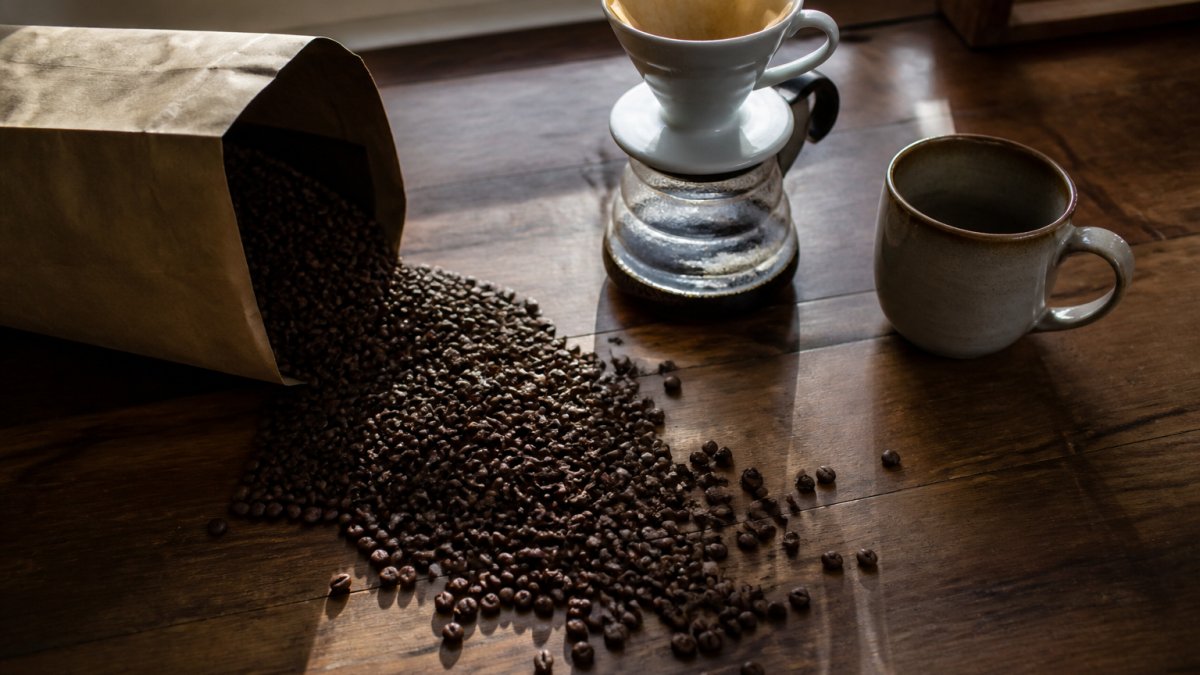
The best artisan coffee for home starts with two questions: when was it roasted, and where did it grow? Everything else, grind size, brew method, price per ounce, follows from those answers.
Most supermarket bags sit on shelves for months. Oxygen and time flatten the aromatic oils that carry chocolate, citrus, and floral notes. Small-batch roasting shortens that window dramatically.
Quick Comparison: Artisan Coffee Picks at a Glance
| Coffee | Roast Level | Tasting Notes | Best Brew Method | Price |
|---|---|---|---|---|
| Uganda | Medium | Floral, chocolate, dark fruits | Pour-over, drip | $22.99 |
| Kenya | Medium-Light | Orange, lemon, floral | Pour-over, cold brew | $24.99 |
| Ethiopia Natural | Medium-Light | Milk chocolate, fruit, caramel | Pour-over, drip | $24.99 |
| Colombia | Medium | Dried orange, berries, chocolate | Drip, French press | $24.99 |
| Guatemala | Medium | Dark chocolate, butterscotch | Drip, French press | $24.99 |
| Bali Blue | Medium-Dark | Dark chocolate, molasses | Espresso, French press | $24.99 |
Best Specialty Coffee Brands for Home Brewing in 2026
The best specialty coffee brands for home brewing share three traits: they publish roast dates, they name their farms or cooperatives, and they roast in small batches rather than stockpiling inventory. We built our lineup around those standards.

Single-Origin Standouts: Uganda, Kenya, and Ethiopia Natural
Uganda brings mild acidity, a light body, and layered floral and dark fruit notes from the Sipi Highlands, where fully washed beans dry in the sun at 1,500 to 2,500 meters.
Kenya is the opposite personality: lively, almost effervescent, with orange and lemon brightness from the high red soils of Nyeri.
Ethiopia Natural delivers silky sweetness with milk chocolate, ripe fruit, and caramel, dried on raised beds in the Sidama Zone.
Balanced Everyday Cups: Colombia, Guatemala, Peru, and Bali Blue
Colombia blends bright dried orange and ripe berries over smooth chocolate, grown between 1,300 and 1,500 meters in Antioquia.
Guatemala leans into dark chocolate, bright fruit, and butterscotch from Antigua's volcanic loam. Peru counters with salted caramel and sweet citrus. Bali Blue rounds out the group with dark chocolate, molasses, and brown sugar in a medium-dark roast.
Sample Packs and Barrel-Aged Options
Undecided? Sample packs solve the guesswork. Our Single Origin Favorites Sample Pack covers six regions in 2 oz portions, while the Best Sellers Sample Pack includes blends like 6Bean and Cowboy alongside Peru, Mexico, and Bali. Both cost $24.99.
For something unusual, the Whiskey Barrel Aged coffee rests 30 days in a bourbon barrel before roasting to order.
How to Choose Coffee Beans for Your Brewer and Taste
Choosing coffee beans comes down to matching roast level and processing to your equipment and your palate. Follow these steps:
- Identify your primary brew method: pour-over, French press, drip, or espresso
- Decide whether you prefer bright and fruity or rich and chocolatey
- Check the roast date, not the best-by date
- Buy whole bean and grind just before brewing
- Start with a 2 oz sample before committing to a full bag
- Adjust grind size finer for under-extracted, sour cups
- Store beans in an airtight container away from light and heat
Light and medium roasts reward pour-over and drip. Darker roasts and blends built for espresso, like our 6Bean, perform best under pressure. If you are new to this, buy a sample pack first.
Best Coffee Beans for Espresso at Home
Espresso is the least forgiving way to brew coffee at home, which is why the best beans for it are not simply the darkest ones on the shelf. Under roughly nine bars of pressure, a 1:2 ratio, and a 25-to-30 second shot, every flaw in the roast and every day of staleness gets amplified. The right bean is one that was roasted recently enough to still degas predictably and structured enough to hold its sweetness when milk is added.
Three traits separate espresso-friendly artisan coffee from beans that only work in a drip brewer:
- A roast date within 7 to 21 days. Fresher than that and the beans off-gas so aggressively that shots gush and taste sour; older than three weeks and the crema thins and the finish goes flat.
- Enough development to survive pressure. Medium-dark and dark roasts caramelize sugars further, which produces the chocolate and molasses notes that read clearly through milk.
- Consistency across the bag. Blends exist for a reason: a roaster can hold flavor steady batch to batch, which matters when you are dialing in a machine and don't want the target to move.
Our espresso picks and how to pull them
Bali Blue (medium-dark, single origin). Dark chocolate and molasses dominate, and the sweetness stays present even in a 6 oz cappuccino.
6Bean Blend (dark). Built from coffees across several origins, this is the more forgiving option for anyone still learning their machine. The wider flavor base means small grind errors show up as a slightly different cup rather than a ruined one.
Kenya (medium-light). Not the obvious espresso choice, but a rewarding one if you like brightness. Expect orange and lemon acidity to cut through a short milk drink.

A dialing-in routine that actually works
- Pick one bean and one dose (18 g is a reasonable default for a double).
- Hold dose constant and change only grind size.
- If the shot runs under 25 seconds and tastes sour, grind finer.
- If it runs over 32 seconds and tastes bitter or hollow, grind coarser.
- Once timing is in range, adjust yield up or down by 2 to 4 g to tune strength.
- Expect the first two or three shots from a new bag to be off. Beans need a day or two after opening to settle.
Buy fresh, grind fine, and treat the first few shots of any new bag as calibration rather than a verdict.
How Long Do Freshly Roasted Coffee Beans Stay Fresh?
Freshly roasted coffee beans stay at their peak for roughly two to four weeks after the roast date, then decline noticeably. But "peak" is not a single moment, and treating it like one is where most home brewers go wrong. The flavor curve has three phases, and knowing which one your bag is in tells you how to brew it.
The three phases after roast
Days 1 to 3: resting. Beans are still releasing carbon dioxide fast. Espresso pulled in this window gushes and tastes sour because the CO2 interferes with water contact.
Days 4 to 14: peak window. Degassing has slowed enough for stable extraction.
Days 15 to 28: gradual decline. Aromatic oils oxidize, acidity flattens, and the finish shortens.
After about four weeks, whole beans are noticeably stale. Ground coffee moves through this entire curve in days rather than weeks because the surface area exposed to oxygen is dramatically larger.
Storage rules that actually matter
The single biggest variable is oxygen, followed by heat and light. Moisture and odor absorption are secondary but real.
- Keep beans in an opaque, airtight container at room temperature. A one-way valve bag works if you press the air out and reseal it.
- Do not store beans in the refrigerator. The fridge cycles through temperature and humidity changes every time the door opens, and coffee absorbs whatever is nearby. A cup that tastes faintly of last night's leftovers is the classic result.
- Freeze only if you can portion and seal. Whole beans in a vacuum-sealed or tightly sealed bag, frozen once, and thawed once, retain quality well for one to three months. Thaw the full portion before grinding; do not refreeze.
- Buy in quantities you will finish within a month. A 12 oz bag at one 18 g dose per day lasts about 19 days. Two 12 oz bags bought together will be stale by the time you reach the second one.
- Grind immediately before brewing. This is the highest-impact habit on the list and the cheapest to adopt.
A practical freshness checklist
- Check the roast date the day the bag arrives. If it is more than three weeks old, note it and adjust expectations.
- Write the open date on the bag with a marker.
- Plan to finish the bag within 21 days of opening.
- If you cannot, split the bag: keep a week's worth out and freeze the rest in a sealed portion.
- Taste the coffee on day 5, day 12, and day 20. The differences will teach you more about freshness than any article can.
Cost Per Cup: What Artisan Coffee Actually Costs
Artisan coffee costs more per bag, but far less per cup than most people assume. A $24.99 bag of single-origin beans brewed at home works out to a fraction of a café drink, and the gap widens with every cup you make.
Here is how the math breaks down across our range:
| Coffee | Bag Price | Typical Cups Per Bag | Approx. Cost Per Cup |
|---|---|---|---|
| Uganda | $22.99 | 30-34 | Under $0.80 |
| Kenya | $24.99 | 30-34 | Under $0.85 |
| Ethiopia Natural | $24.99 | 30-34 | Under $0.85 |
| Sample Packs | $24.99 | 12-18 | Varies by dose |
Cup counts assume a standard 12 oz brew at roughly 18 grams of coffee. Heavier doses or larger batches lower the count.

The real challenge with artisan coffee at home is not finding good beans. It is keeping them fresh, matched to your brewer, and arriving before the bag runs out.
Frequently Asked Questions
What is the difference between artisan coffee and specialty coffee?
Specialty coffee refers to beans that score 80 or above on the industry's 100-point quality scale, judged on growing, processing, and roasting. Artisan coffee describes the approach: small-batch roasting, careful sourcing, and short roast-to-ship windows. A bean can be specialty grade but sit in a warehouse for months. Artisan roasters roast to order and print the roast date on the bag, so the coffee you brew actually tastes like what the cupping notes describe.
How do I choose artisan coffee beans for home brewing?
Start with your brewer. Pour-over and drip reward medium and medium-light roasts with clear, bright flavors. French press and cold brew work well with medium-dark and dark roasts that hold up to longer contact time. Then pick a flavor direction: chocolatey and nutty, fruity and floral, or caramel-sweet. Finally, check the roast date and buy whole bean if you own a grinder. A 2 oz sample pack lets you test several origins before committing to a full bag.
What coffee beans are best for espresso at home?
Espresso works best with medium to dark roasts that produce a thick, syrupy shot with enough body to stand up to milk. A dark house blend or a medium-dark single origin like Bali Blue, with its dark chocolate and molasses notes, pulls a balanced shot with low bitterness. Lighter roasts can work, but they demand a finer grind and more precise dialing in. Whatever you pick, let the beans rest 5 to 10 days after the roast date before pulling shots.
How long do freshly roasted coffee beans stay fresh?
Whole beans peak between 4 and 14 days after roasting and stay at their best for about 3 to 4 weeks when stored in an airtight container away from light, heat, and moisture. After the 4-week mark, oils oxidize and flavors flatten. Ground coffee stales in days, not weeks, because far more surface area meets the air. Buy bags with a printed roast date rather than a best-by date, and buy only what you will finish in a month.
How should I store artisan coffee beans to keep them fresh?
Keep whole beans in an opaque, airtight container at room temperature, in a cabinet away from the stove, oven, and window. Do not transfer them to the fridge or freezer in an open bag, since moisture and food odors migrate into the beans. If you buy more than a month's supply, freeze a portion in a vacuum-sealed bag and thaw it fully before grinding. Grind right before brewing, because ground coffee loses its aroma within hours.