


How to Choose the Best Decaf Coffee Beans for Espresso at Home
Last Updated: October 25, 2026
Quick Summary
The best decaf coffee beans for espresso at home are whole beans processed with Swiss Water or ethyl acetate methods, roasted within two weeks, and dialed in with a slightly finer grind than regular espresso. Single-origin decafs from Central and South America offer more nuanced flavor, while quality blends provide forgiving, consistent shots.
- Swiss Water Process decaf tastes closest to caffeinated versions but costs $1-$3 more per 12 oz bag; ethyl acetate decaf offers rounder body that espresso rewards.
- Decaf beans are less dense and extract faster, requiring a grind two to four clicks finer than regular espresso at the same dose.
- Buy decaf roasted within the last two weeks and store in an airtight container away from heat and light; grind immediately before pulling shots.
- Start with an 18 g dose, 36 g yield, and 25-30 second pull time, adjusting only grind size until shots taste balanced.
- Decaf stales faster than regular beans, so check the roast date if shots suddenly run fast without grinder changes.
Table of Contents
- What Makes Decaf Coffee Beans Suitable for Espresso
- Understanding Decaffeination Methods: Swiss Water Process and Beyond
- Selecting Whole Bean Decaf Coffee for Home Espresso
- Decaf Espresso Grind Size and Dial-In Fundamentals
- How to Dial In Decaf Espresso at Home
- Freshness, Storage, and Extraction Quality
- Getting Started With Your First Decaf Espresso Beans
- Frequently Asked Questions
What Makes Decaf Coffee Beans Suitable for Espresso
The best decaf coffee beans for espresso at home can produce exceptional results, but decaf isn't regular coffee minus caffeine, it's a different product requiring a different extraction approach.
Stripping caffeine shifts the remaining compounds: decaf beans are less dense with altered solubility, so they extract differently. A shot that pulls beautifully with regular beans may over- or under-extract with decaf, yielding thin body or bitterness.
The best decaf coffee beans for espresso at home are processed to preserve flavor complexity. Single-origin decafs from Central and South America often retain more nuanced notes. Look for a printed roast date, freshness matters more with decaf because the process already stresses bean structure.
At Shamballa Caffe, we source decaf beans that maintain the depth and body espresso demands. Our Peru Decaf uses the Swiss Water Process and reveals caramel sweetness with a silky body. The difference between a forgettable shot and one you want to drink comes down to bean quality and roast recency.
Understanding Decaffeination Methods: Swiss Water Process and Beyond
The decaffeination method shapes how your espresso tastes, grinds, and forgives dial-in. Four processes appear on US retail bags, in two families: water-based (Swiss Water, CO2) and solvent-based (ethyl acetate, methylene chloride).
Swiss Water Process (water-based, solvent-free). Green beans soak in water that dissolves caffeine and flavor compounds; the water passes through a carbon filter that traps caffeine, then returns to the beans. No solvent touches the bean.
CO2 Process (water-based, solvent-free). Soaked green beans are exposed to pressurized carbon dioxide that selectively binds caffeine; the caffeine-laden CO2 is separated and the beans dried. It's efficient, leaves little residue, and preserves aromatics.
Methylene Chloride Process (solvent-based, rarely labeled). The oldest and cheapest method: beans are steamed, rinsed in methylene chloride, then steamed again to drive off residue.
What the label will and will not tell you. Reputable specialty roasters print the process name, "Swiss Water Process," "Sugarcane EA," or "CO2 Decaf." If a bag says only "decaffeinated," assume a solvent process and ask the roaster. All four methods target roughly 97% caffeine removal by FDA convention, but residual caffeine varies by batch, so if you're caffeine-sensitive, treat decaf as low-caffeine rather than zero-caffeine.
The four main decaffeination methods differ in how they affect flavor, body, and price.
| Method | Family | Flavor Profile | Key Trade-off |
|---|---|---|---|
| Swiss Water Process | Water-based, solvent-free | Cleaner, brighter, closer to caffeinated | $1-$3 more per 12 oz bag, lighter body |
| CO2 Process | Water-based, solvent-free | Preserves aromatics, efficient | Less common on shelves |
| Ethyl Acetate (EA) | Solvent-based | Rounder, sweeter, heavier body | Less transparency on natural vs. synthetic |
| Methylene Chloride | Solvent-based | Flatter, less acidic | Cheapest but lowest quality |
Selecting Whole Bean Decaf Coffee for Home Espresso
Whole bean decaf gives you control over grind size and extraction timing, the two variables that make or break decaf shots. Pre-ground decaf loses aromatics within days and leaves you unable to adjust grind when shots over- or under-extract.
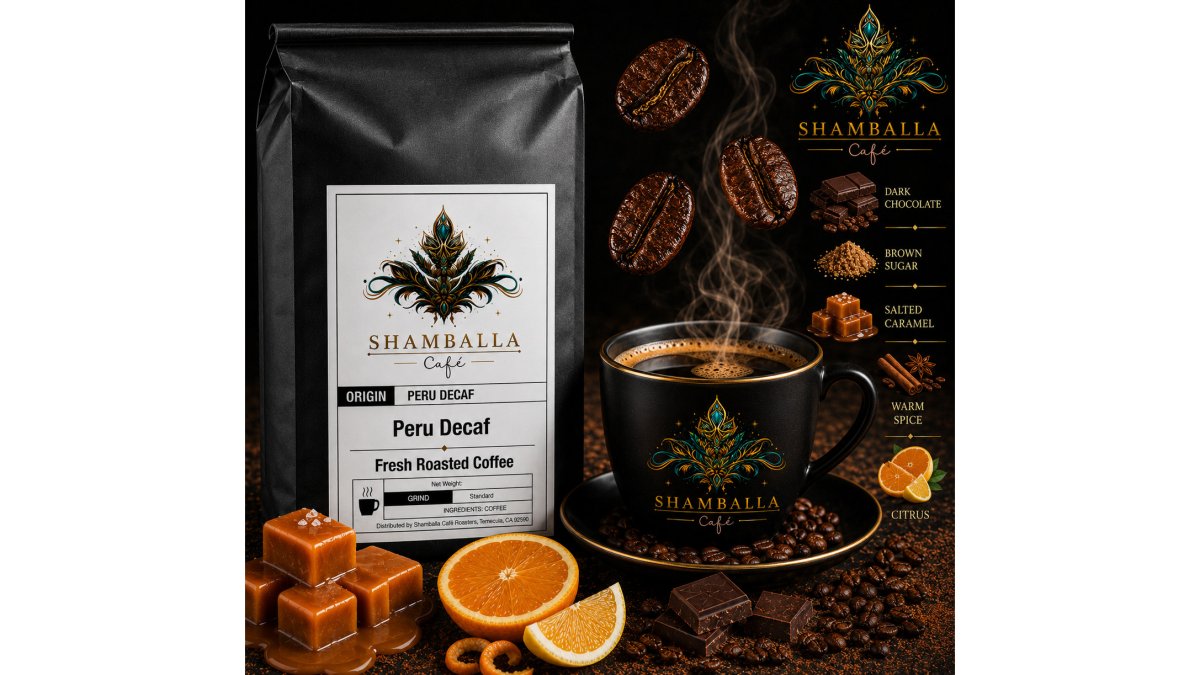
Single-Origin Decaf Espresso Beans

Single-origin decafs offer distinct profiles tied to geography and altitude. Try our Single Origin Favorites Sample Pack to experience different decaf options.
The advantage is traceability and consistency: you know where the beans came from and how they were processed, making dial-in easier because you're working with a known product rather than a changing blend.
Single-origin decafs work best with a precisely adjustable grinder, they have narrower extraction windows than blends and need more careful dial-in.
Decaf Espresso Blends vs. Single Origins
Blends combine multiple origins for balanced, forgiving profiles. A well-designed decaf espresso blend compensates for decaf's thinner body and lower sweetness by mixing beans that create fuller mouthfeel and rounder taste.
Blends forgive dial-in mistakes better than single-origins and suit beginners or anyone wanting shot-to-shot consistency.
Single-origins demand more precision but reward it with distinctive flavor, worth the effort if you enjoy tasting the difference between a Peruvian and a Colombian decaf.
For most home espresso drinkers, we recommend starting with a quality single-origin decaf like our Peru Decaf.
Decaf Espresso Grind Size and Dial-In Fundamentals
Grind size decides decaf espresso success, but "grind finer" or "grind coarser" is useless without a fixed recipe. Decaf beans are softer and less dense, offering less puck resistance and extracting faster at the same setting.
Start with a fixed recipe, not a fixed grind. Pick a baseline and do not change it until you have pulled at least three shots:
- Dose: 18 g in a standard double basket (19-20 g if your basket is rated for it and your machine holds pressure).
- Yield: 36 g out (a 1:2 ratio) as the starting target.
- Time: 25-30 seconds from first drop to end of shot.
- Temperature: 200°F if your machine allows adjustment; drop to 198°F if shots taste harsh.
Write these four numbers down. Every adjustment you make from here changes exactly one of them.
The test protocol. Pull a shot at your current grinder setting and record dose, yield, and time.
Reading the shot. Once time is in range, taste decides. A 27-second shot that tastes thin and sour is under-extracted, grind finer and accept a slightly longer time. One that tastes bitter and drying is over-extracted, grind coarser.
Why decaf needs a finer starting point than you expect. Because decaf beans are less dense, a setting that gives a 28-second shot with regular beans often gives 18-20 seconds with decaf.
The freshness variable. Decaf stales faster than regular beans. A bag dialed in at 10 days past roast often needs a finer grind by day 21 as beans degas and soften.
A note on pre-ground decaf. With pre-ground decaf you can't dial in, only adjust dose and tamp. It's typically milled for drip, too coarse for espresso, producing fast, thin shots.
How to Dial In Decaf Espresso at Home
Dialing in decaf espresso is methodical: adjust grind size, dose, and tamping pressure until your machine pulls balanced shots consistently.
Step 1: Start with a baseline grind. Use a slightly finer setting than for regular espresso; if unsure, begin mid-range. Dose 18-19 grams into your portafilter.
Step 2: Pull a test shot. Tamp evenly and stop after 20-25 seconds regardless of yield.
Step 3: Adjust and repeat. Grind finer by half a setting if the shot pulled too fast, coarser if too slow, and pull again. Most grinders need 3-5 adjustments to dial in.
Step 4: Evaluate taste and flow. At 25-30 seconds, taste: bitter suggests over-extraction, thin and sour suggests under-extraction. Adjust grind accordingly and pull again.
Step 5: Lock in your settings. When a shot tastes balanced and pulls in 25-30 seconds, write down the grinder setting, your dial-in point for this decaf bean.
Watch out: decaf cools faster after roasting. Past 3-4 weeks from roast, extraction becomes unpredictable, so prioritize recently roasted decaf.
Freshness, Storage, and Extraction Quality
Freshness is non-negotiable for decaf espresso. Unlike regular coffee, decaf degrades faster because the decaffeination process weakens bean structure, making it more susceptible to oxidation and staling.
Buy decaf roasted within the last 2 weeks and check the bag's roast date, reputable roasters print it prominently. Learn how to identify fresh decaf beans to ensure quality extraction. No visible date likely means old beans, and anything over 4 weeks past roast produces weak, flat shots no matter how well you dial in.
Storage matters equally. Keep beans in an airtight container away from heat, light, and humidity; a one-way-valve bag works until opened, then transfer to an airtight container.
Don't refrigerate or freeze decaf, temperature fluctuations cause condensation that accelerates staling. A dark cupboard at room temperature is ideal.
Grind immediately before pulling your shot, ground decaf loses aromatic compounds within minutes, and morning pre-grinding for afternoon shots yields flat, lifeless espresso.
Getting Started With Your First Decaf Espresso Beans
If you're new to decaf espresso, start simple: a single-origin whole bean decaf from a trusted roaster, roasted within the last two weeks. A medium roast is more forgiving than dark or light because it balances body and brightness.
Grind fresh before each shot, slightly finer than for regular espresso. Pull short 20-25 second test shots and adjust grind based on flow and taste; most people dial in within 3-5 shots.
Expect the first few shots to taste thin or bitter, normal, since decaf extraction is finicky until you learn how your machine, grinder, and beans interact. By shot 10-15 you'll pull balanced shots consistently.
If you want to explore multiple decaf origins before committing to a full bag, browse our curated selection of freshly roasted decaf options. Trying different single-origins helps you develop a palate for what works in your machine.
Dialing in decaf espresso at home takes patience and precision, but the reward is an exceptional morning ritual. Start with quality whole beans roasted recently, grind fresh, and adjust grind size methodically until shots are balanced.
Frequently Asked Questions
Can you make decaf espresso in a home espresso machine?
Yes, decaf espresso beans work in any home espresso machine designed for standard espresso. The brewing process is identical to regular espresso, the difference lies in the beans themselves. Decaf beans are decaffeinated before roasting, so your machine doesn't need adjustment. The main challenge is dialing in the grind and dose correctly, since decaf beans often have a denser structure than caffeinated varieties and may require slightly different extraction parameters to achieve balanced crema and flavor.
What is the best decaffeination process for espresso beans?
The Swiss Water Process is widely considered the best for espresso because it preserves the bean's natural oils and flavor compounds while removing caffeine. This method uses only water and temperature, avoiding chemical solvents that can affect taste. Other methods like the sugarcane (EA) process also perform well for espresso. Look for beans labeled with their decaffeination method on the package, transparency here signals a quality roaster who cares about preserving your espresso's body and crema.
How should you grind and dial in decaf espresso?
Start with a medium-fine grind, similar to regular espresso, then adjust based on your shot time. Aim for a 25-30 second pull with a 1:2 dose-to-yield ratio (for example, 18 grams in, 36 grams out). Decaf beans often compress differently, so you may need to grind finer or adjust your tamping pressure. Watch for consistent flow and crema formation. If your shot runs too fast, grind finer; if too slow, grind coarser. Keep notes on each adjustment to dial in the sweet spot for your specific machine and beans.
Why choose whole bean decaf coffee instead of pre-ground?
Whole beans stay fresh much longer than pre-ground coffee because grinding exposes the interior of the bean to oxygen, which degrades flavor and aromatics within days. For espresso, freshness directly affects crema quality and extraction clarity. Whole beans also let you control grind size precisely for your machine and dial-in process. If you're investing in premium decaf espresso beans, whole beans ensure you experience their full potential from the moment you open the bag.
